
Unique Places to Save has reached a significant milestone in its conservation efforts with the successful completion of its first conservation easement in the state of Missouri. Known as the Hickory Jack Conservation Easement, this project was made possible through a strategic partnership with Naturion, a leading mitigation solutions provider. The conservation easement marks a major step forward in protecting ecologically significant landscapes in Missouri.
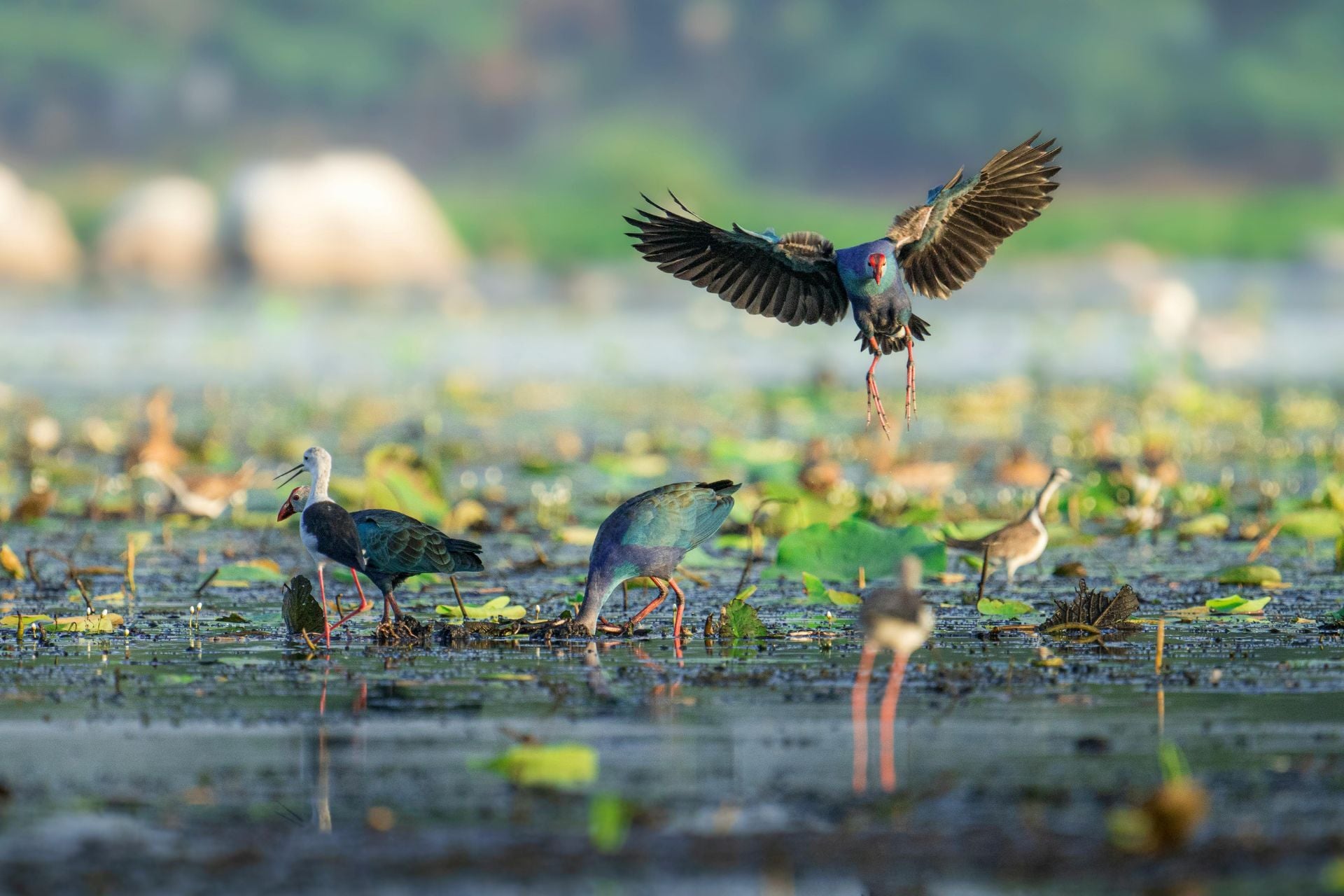
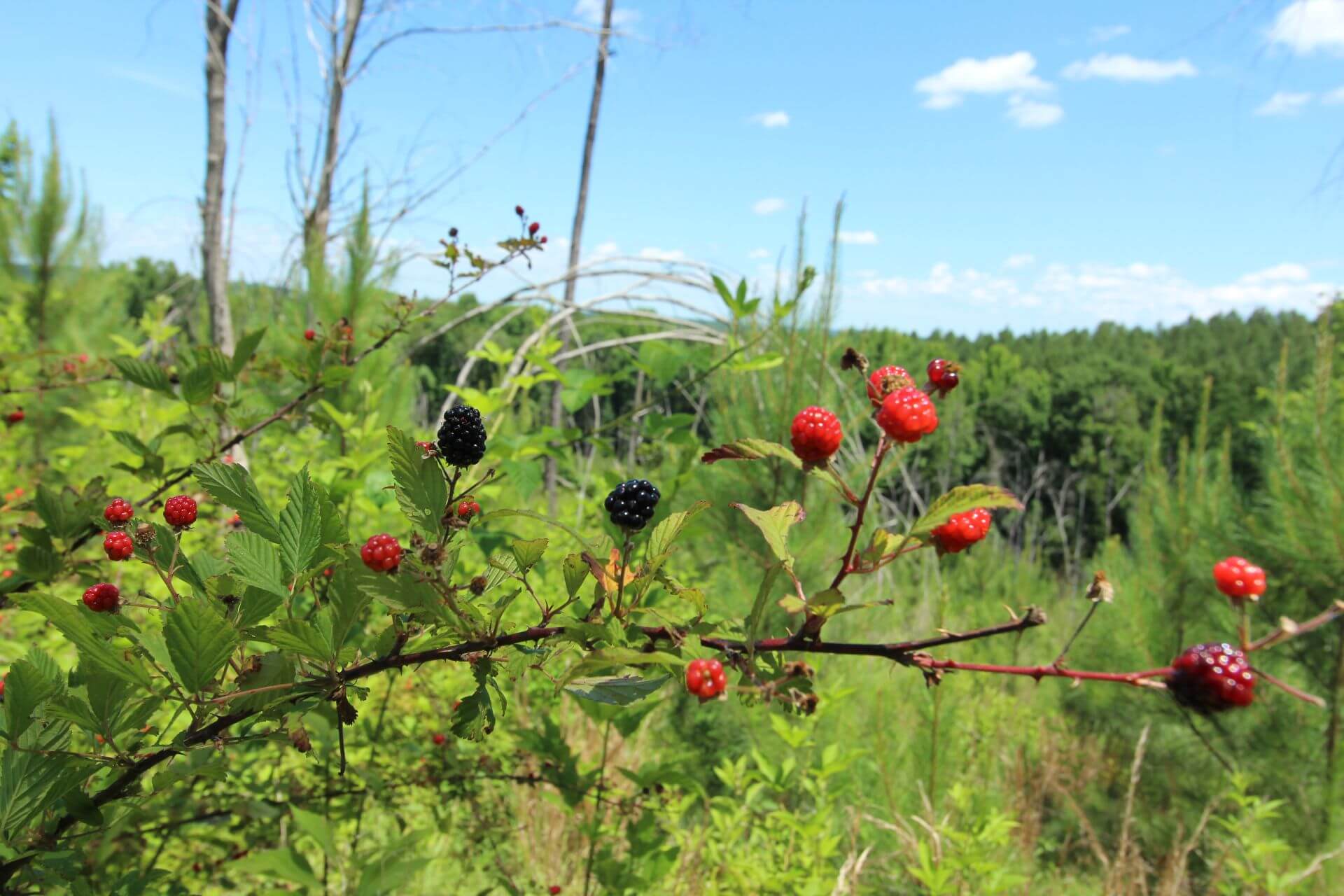
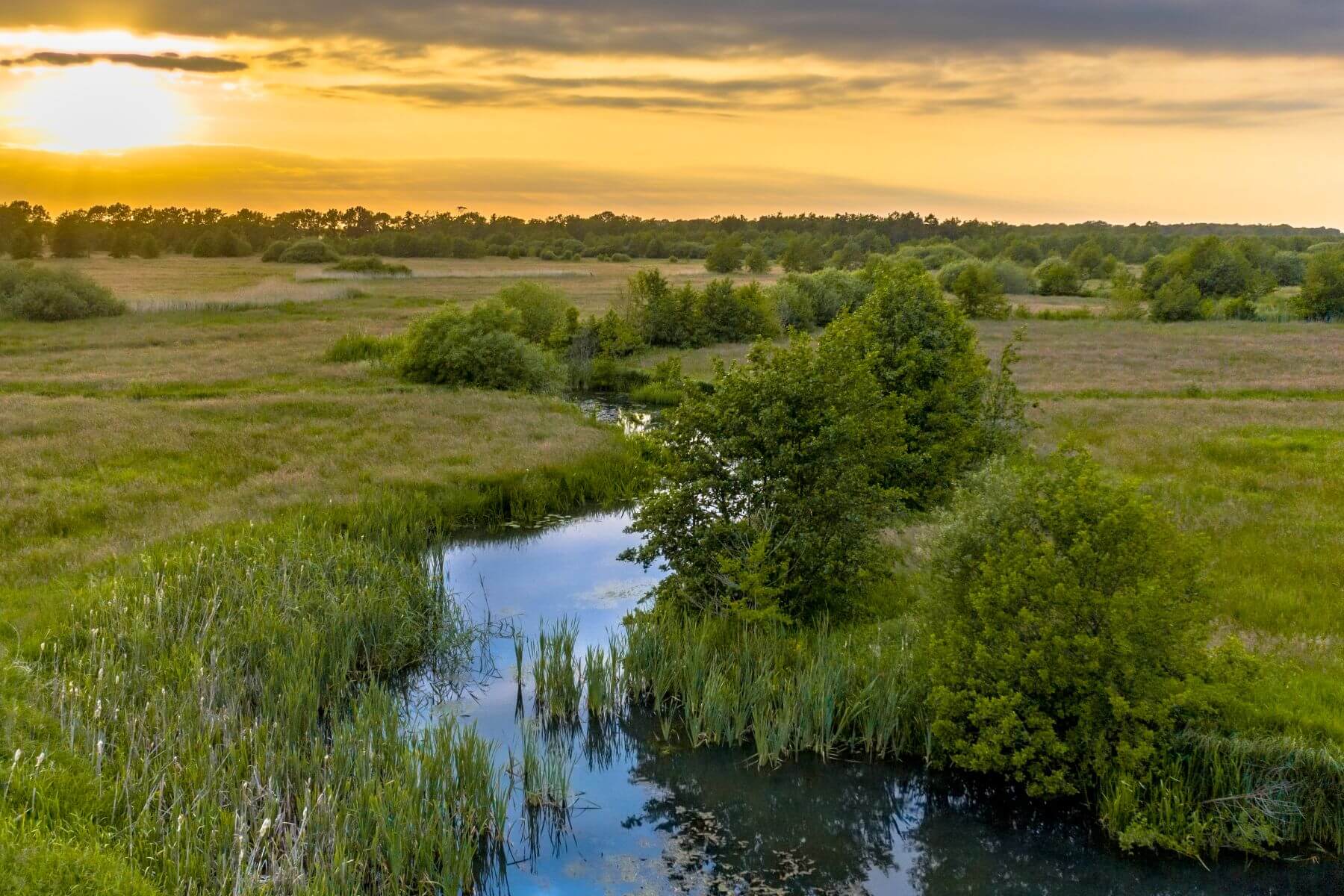
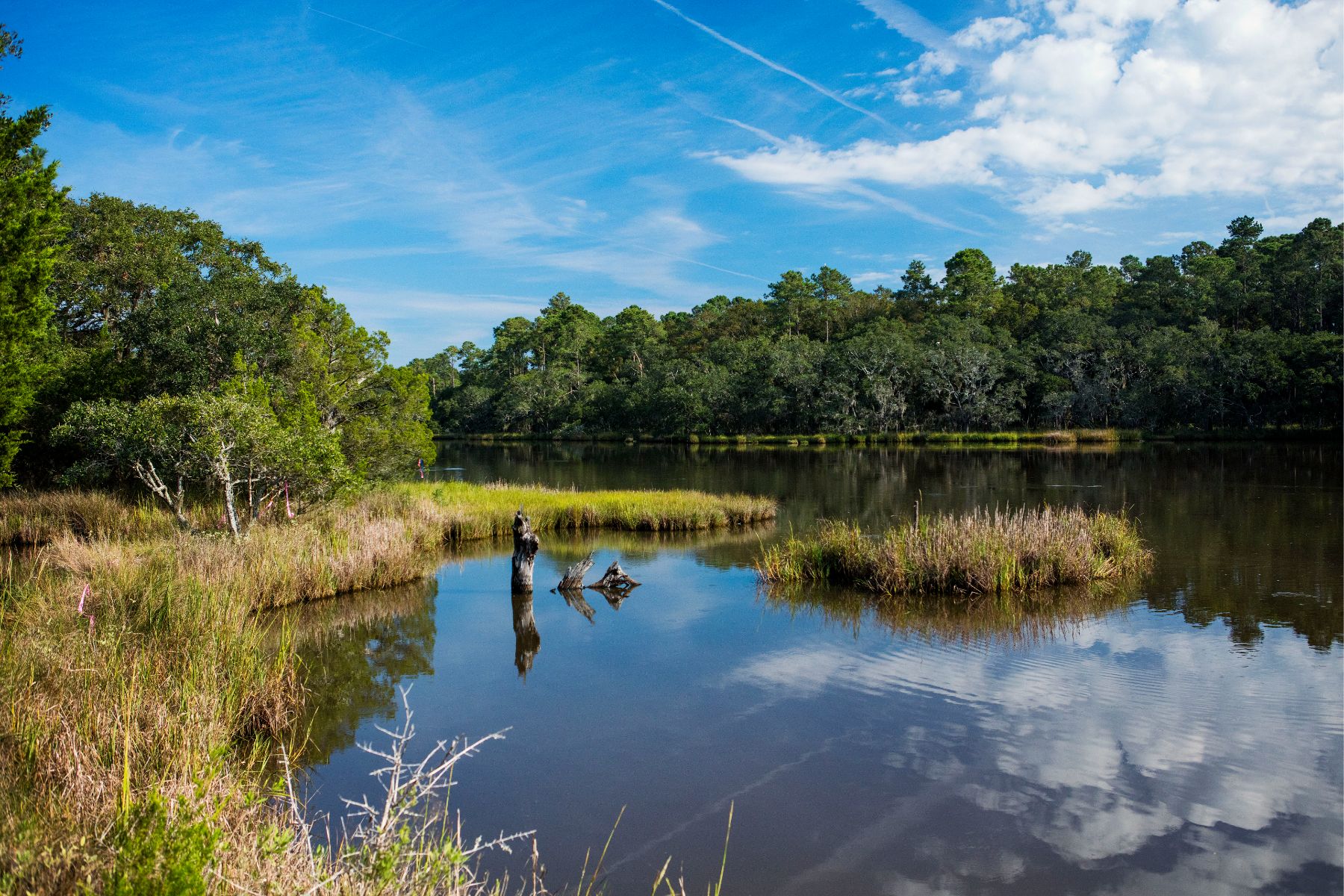
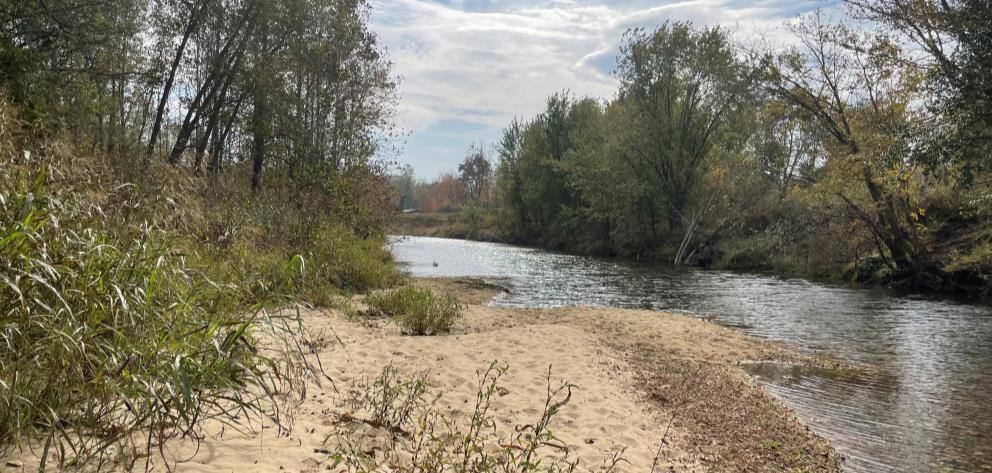
The Hickory Jack Conservation Easement is located along Apple Creek in Cape Girardeau and Perry Counties. The project encompasses 72 acres of diverse landscapes, featuring a mix of forests, wetlands, and waterways that provide critical habitats for numerous plant and animal species. The area is home to native forests, riparian buffers, and essential wetland ecosystems, which serve as a refuge for wildlife and contribute to the overall biodiversity of the region.
By securing this land under a permanent conservation easement, Unique Places to Save and Naturion are working together to prevent incompatible development, habitat disruption, and water quality degradation, ensuring that the natural integrity of Hickory Jack remains intact for future generations.
This conservation easement not only protects ecologically valuable land but also serves as a mitigation tool for projects that may have unavoidable environmental impacts elsewhere. Through its collaboration with Naturion, Unique Places to Save is facilitating the restoration and preservation of high-quality land and aquatic resources, creating a sustainable balance between economic development and conservation.
The Hickory Jack project demonstrates how well-planned mitigation banking and conservation easements can work in tandem to promote sustainable land use while fulfilling regulatory requirements for environmental offsets.
The completion of the Hickory Jack Conservation Easement is just the beginning of Unique Places to Save’s expansion into Missouri and beyond. The organization remains dedicated to identifying and securing additional conservation opportunities across the United States, particularly in regions facing rapid development and environmental pressures.
Through strategic partnerships like the one with Naturion, Unique Places to Save continues to implement forward-thinking conservation solutions that not only protect ecosystems but also support mitigation efforts that benefit both the environment and local communities.
As Unique Places to Save continues to expand its conservation footprint, projects like Hickory Jack serve as a model for future land preservation initiatives. By working with landowners, mitigation partners, and conservation advocates, the organization is building a legacy of sustainability and ecological stewardship.
For more information about Unique Places to Save, the Hickory Jack Conservation Easement, and ongoing conservation initiatives, visit the rest of www.uniqueplacestosave.org
Conserving working lands and associated aquatic ecosystems is essential for protecting our community’s long term food supplies and ecological diversity, and you can help make a difference. By supporting Unique Places to Save, you’re directly contributing to conservation of working lands and natural resources that benefit all of us. Your efforts help ensure these systems continue to provide healthy food, clean water, fertile soil, and habitats for countless species.
About the Author
Michael brings nearly 20 years of experience to his role as Trusted Conservation Advisor at Unique Places to Save. He has worked to conserve over 200,000 acres across the U.S. while securing over $200M in funding and transacting $500M in land and other real estate.
Learn MoreWe are a trusted non-profit partner for mitigation banks seeking high-quality conservation projects
Learn More