
Total Acres
22.5
Project Year
2025
Located in Chatham County of North Carolina
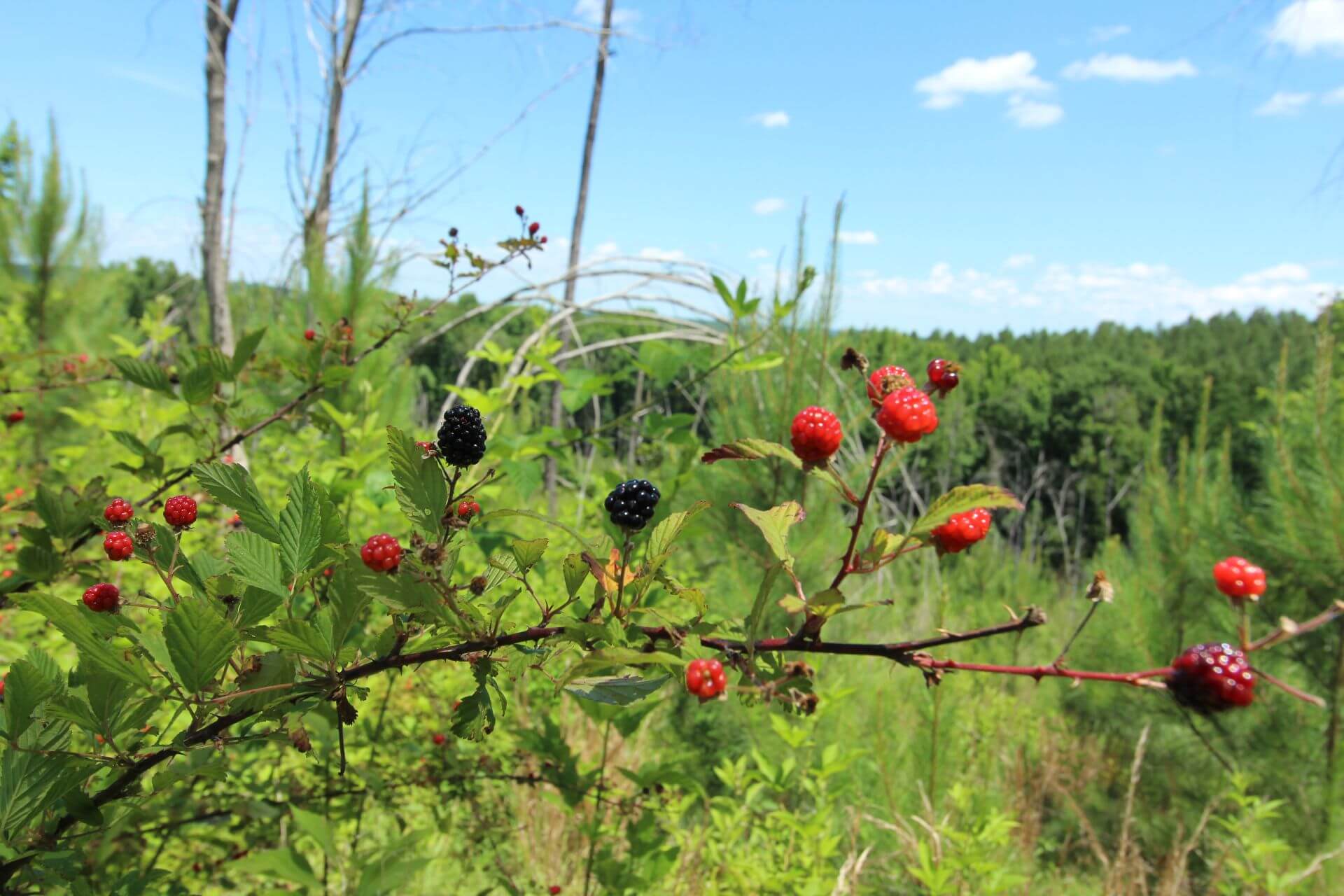
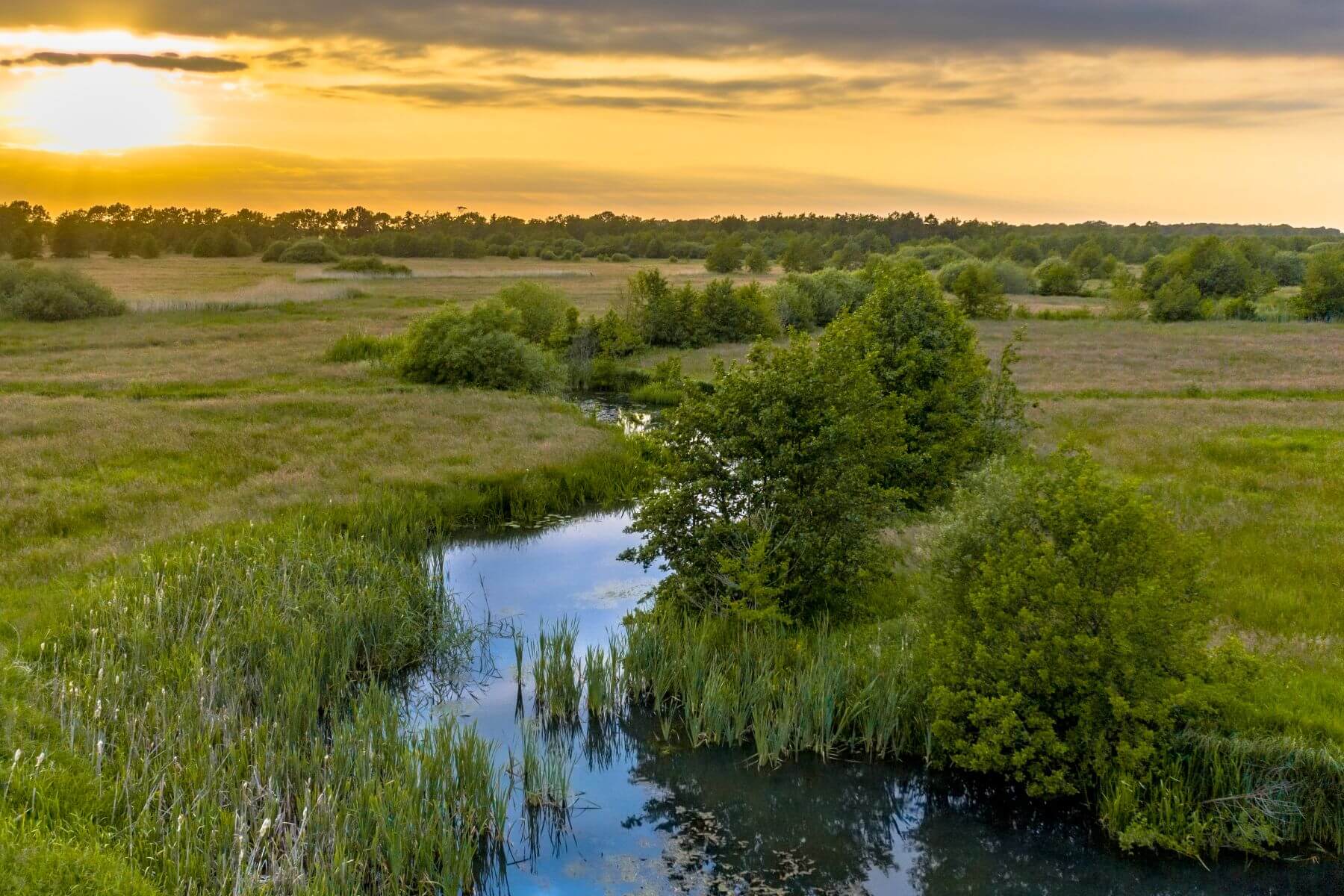
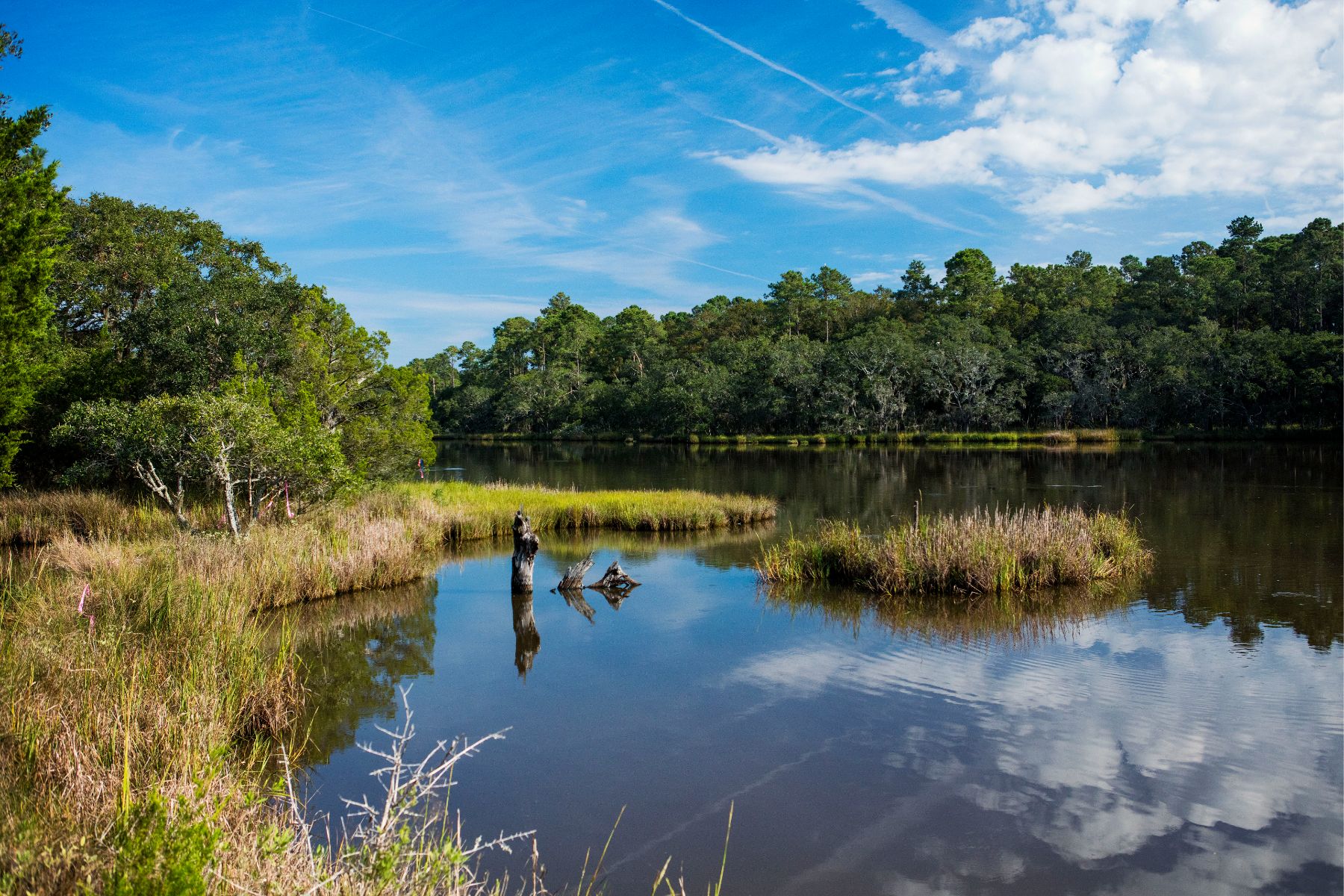
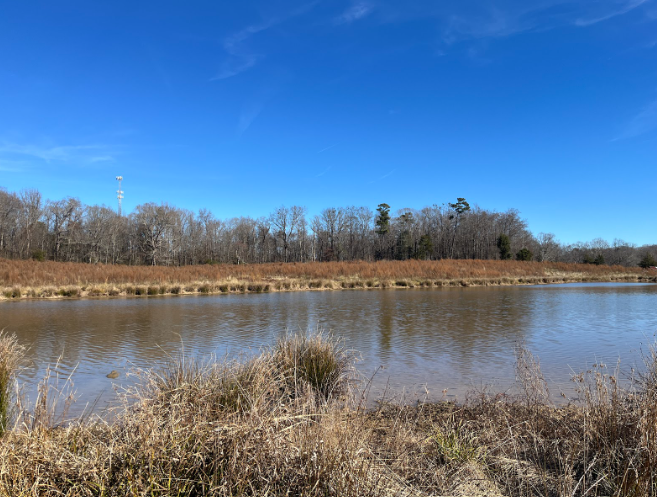
 Sandy Branch Phase II Mitigation Site represents a long-term commitment to restoring and safeguarding a working Piedmont landscape while permanently protecting its most sensitive natural resources. Located in Chatham County within the Cape Fear River Basin, the project transforms agriculturally impacted headwater streams and riparian corridors into a resilient, self-sustaining system designed to function in perpetuity.
The project includes the restoration and enhancement of multiple tributaries to Sandy Branch, addressing decades of channel incision, bank erosion, and livestock impacts. Stream channels are reconstructed or enhanced to reestablish natural dimension, pattern, and profile, reconnect floodplains, and improve aquatic habitat. Native riparian vegetation is reintroduced throughout the corridor, stabilizing banks, filtering runoff, and reestablishing ecological connectivity across the watershed.
What distinguishes Sandy Branch Phase II is not only the ecological uplift achieved through restoration, but the permanent legal protection placed on the land. A recorded conservation easement ensures that restored streams, wetlands, and buffers are protected forever from incompatible uses. This easement eliminates future development pressure within the project area and guarantees that the conservation values created by the project will endure beyond the monitoring period.
Unique Places to Save, a nonprofit land trust dedicated to conservation stewardship, will hold and enforce the conservation easement. As the long-term easement holder, Unique Places to Save is responsible for ensuring that the site remains protected in perpetuity, with only conservation-compatible activities allowed. This third-party stewardship provides lasting accountability and ensures that the site’s ecological functions are preserved for future generations.
Through permanent protection, professional restoration, and dedicated long-term stewardship, Sandy Branch Phase II delivers durable mitigation outcomes while securing meaningful conservation benefits at both the site and watershed scale. The project stands as a lasting investment in clean water, functional streams, and protected open space within the Cape Fear River Basin.
Mitigation Partner

Our Role
Conservation Easement Grantee
Mitigation Type
Stream & Wetland Restoration
About the Author
Michael brings nearly 20 years of experience to his role as Trusted Conservation Advisor at Unique Places to Save. He has worked to conserve over 200,000 acres across the U.S. while securing over $200M in funding and transacting $500M in land and other real estate.
Learn MoreWe are a trusted non-profit partner for mitigation banks seeking high-quality conservation projects
Learn More