
When people think of land conservation wins, they usually picture all the work and coordination required to place land with rich ecological, historical, or cultural value into a conservation easement. And they are right to celebrate those efforts and milestones because those moments are incredible.
But for a land steward, signing the easement paperwork is just the starting line. Our real commitment begins after the conservation easement is recorded. That is when it's time to roll up our sleeves and get to work.
As the Stewardship Manager at Unique Places to Save (UP2S), I handle the ongoing work that keeps our promises to the land, and to the people who love it, intact. People often ask me what a land steward actually does once a property is officially protected.
Is it mostly legal review? Do I spend all my time sitting behind a computer? The truth is that my job is a balance of boots-on-the-ground field work, genuine relationship building with landowners, and careful record keeping.
What Does It Look Like to Steward a Conservation Easement?
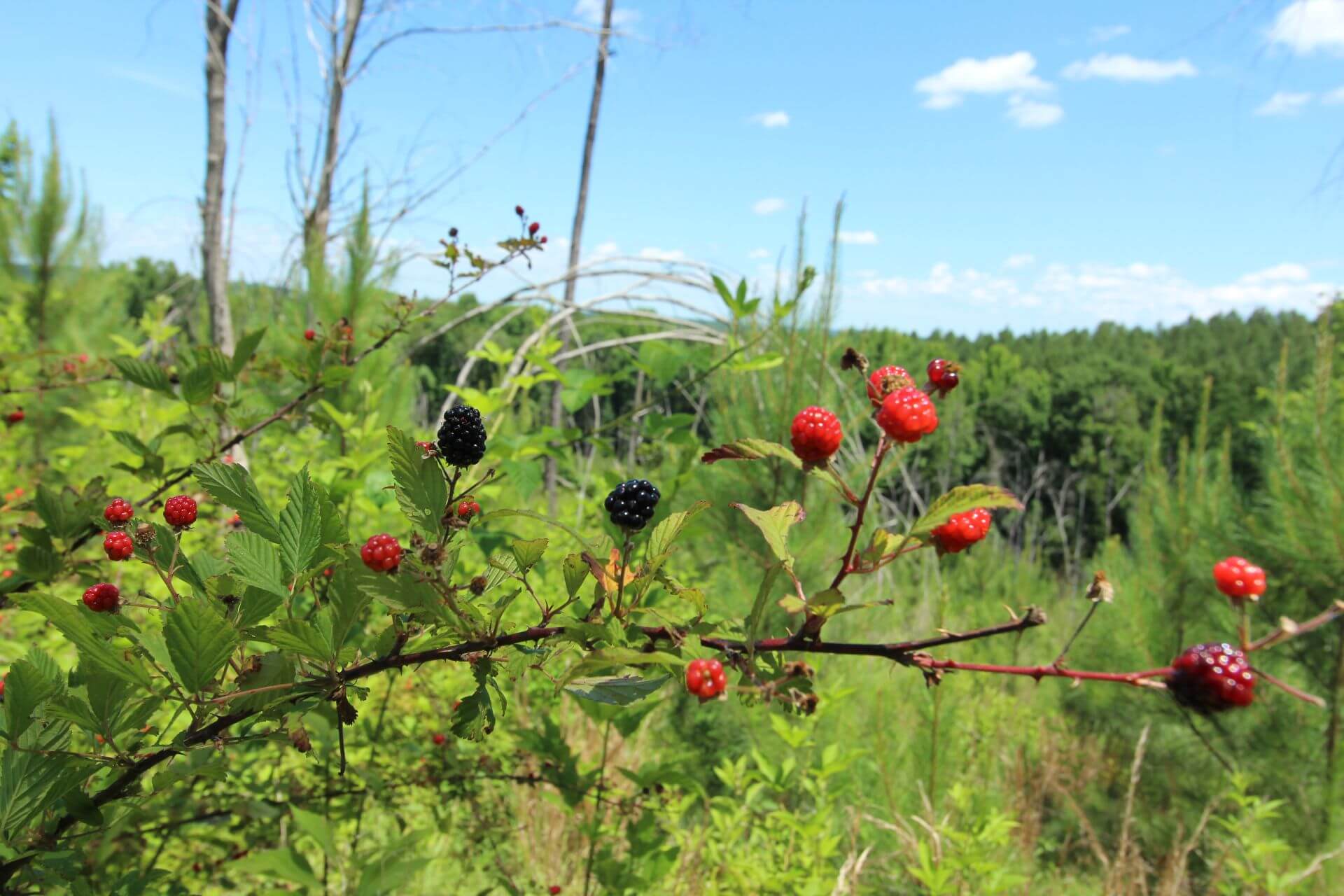
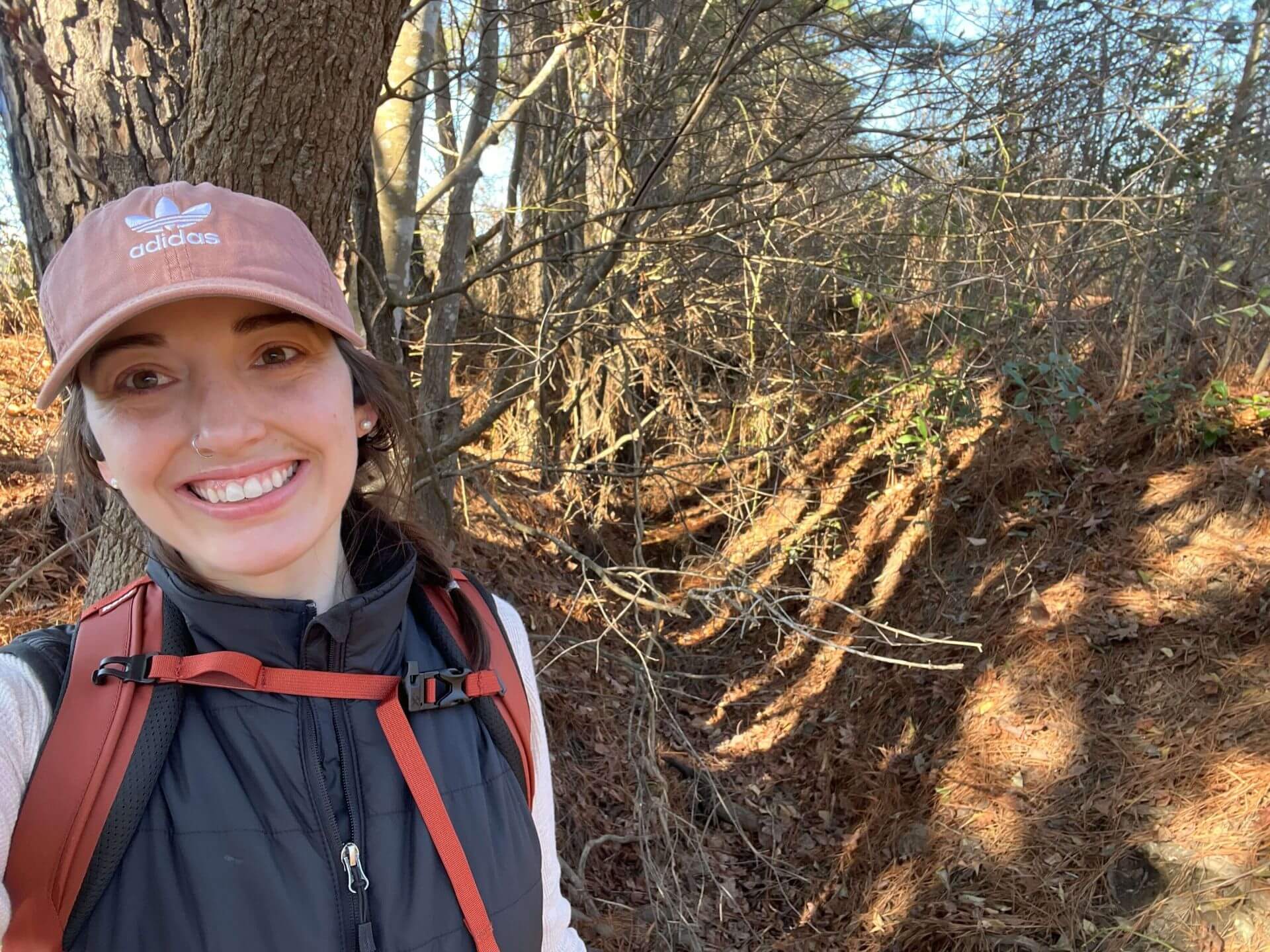
When protecting a conservation easement, no two weeks look the same, and no two site visits, even when they're on the same property, are identical. I spend a large chunk of my time out in the field, which is absolutely my favorite place to be. Depending on where I am going, I might be crawling through thick briars, balancing on fallen logs to cross a creek, or walking along the edge of an active farm next to a protected area.
As a conservation organization, UP2S is responsible for defending the terms of every easement we hold. During an annual monitoring visit, one of my goals is to walk the property and make sure those easement terms are being upheld.
I carry replacement boundary signs, use my phone to take notes and document photo points. We take photos from the exact same locations year after year so we have a clear visual record of how the landscape changes over time.
I check the vegetation for invasive species, the stream banks for erosion, and make sure boundary markers stay clear. Whether it's a freezing morning in January, or a hot afternoon in July, I'm out there looking at the special and unique places we are working to protect.
Collaboration with a Conservation Organization
While field work is a great perk of the job, the human side of stewardship is what makes my work meaningful and "worth it". I spend as much time as I can talking with our landowners. I always emphasize that stewardship is built on collaboration. We never show up for an annual monitoring visit to play property police. Instead, I meet with landowners beforehand, and we often walk the property together.
We chat about anything under the sun: family memories regarding the conservation area, the land's history, how the land is doing and if they've had any issues. We work through any questions or concerns they may have about their conservation easement.
Conservation easements are perpetual, and building personal relationships with the landowners help both of us better support the longevity of the conservation easement.
Conservation Easement Site Visit Records
After the ticks have been picked off and the mud has been washed away, the second half of stewardship happens back at my desk. Every single visit generates data that needs to be organized and safeguarded for the long haul.
I upload my photos and cross-reference them with baseline data to track any shifts in the landscape. This work culminates in a detailed annual monitoring report for every single conservation easement we hold.
These reports serve as a vital, continuous archive that documents the condition of the property at that exact moment in time. If a property changes hands decades from now, these files ensure that future stewards will know exactly how the land was cared for and what makes it unique. Organizing these records is how we protect the integrity of every project.
Conservation is Keeping Promises
Being the Stewardship Manager for our organization means I must know these properties and their owners intimately. I see the changes in conservation areas year after year, watch families grow and properties passed down to the next generation. It allows me to witness the direct impact of conservation efforts.
Conservation is a huge win, but it is not a one-time transaction. Land stewardship is an ongoing, perpetual promise to our landowners, their communities, and the natural spaces that sustain us. Every conversation with a landowner, every boundary line walked, and every monitoring report written is part of how we honor that promise.
Own land you want to see protected forever? Learn what a conservation easement could mean for your property on our conservation for landowners page, or reach out to start the conversation.
About the Author
With dual Master’s degrees in Public Health and Business Administration, Mandi has successfully secured federal grants and managed significant projects that enhance environmental and community well-being. She leverages her diverse background to contribute to sustainable conservation efforts that protect vital ecosystems.
Learn More