
This fall, we are pleased to share a blog from Maria, who is working with us as a Conservation Intern through a collaborative effort with UNC-Chapel Hill's EcoStudio. The internship at Unique Places to Save enables students to gain hands-on conservation experience as part of their career development.
During periods of rapid environmental change, certain organisms are more vulnerable than others. Specialist species are adapted to very specific ecological conditions and are often the first to decline when their habitats are disturbed.
Although their adaptations help them thrive in stable environments, they can also make it difficult for specialists to survive sudden changes. Habitat loss, climate change, pollution, invasive species, disease, and development can disrupt the conditions they need to live and reproduce.
What are specialist species?
Specialist species emerge through generations of evolution that shape them for life in particular environments. Through niche specialization, these organisms develop specific dietary requirements, behaviors, or habitat preferences.
A specialist may depend on:
- One or a few food sources
- Specific temperatures or moisture levels
- A certain plant for shelter or reproduction
- A narrow range of prey
- Another species for part of its life cycle
- Specialized nesting sites
- A particular type of habitat
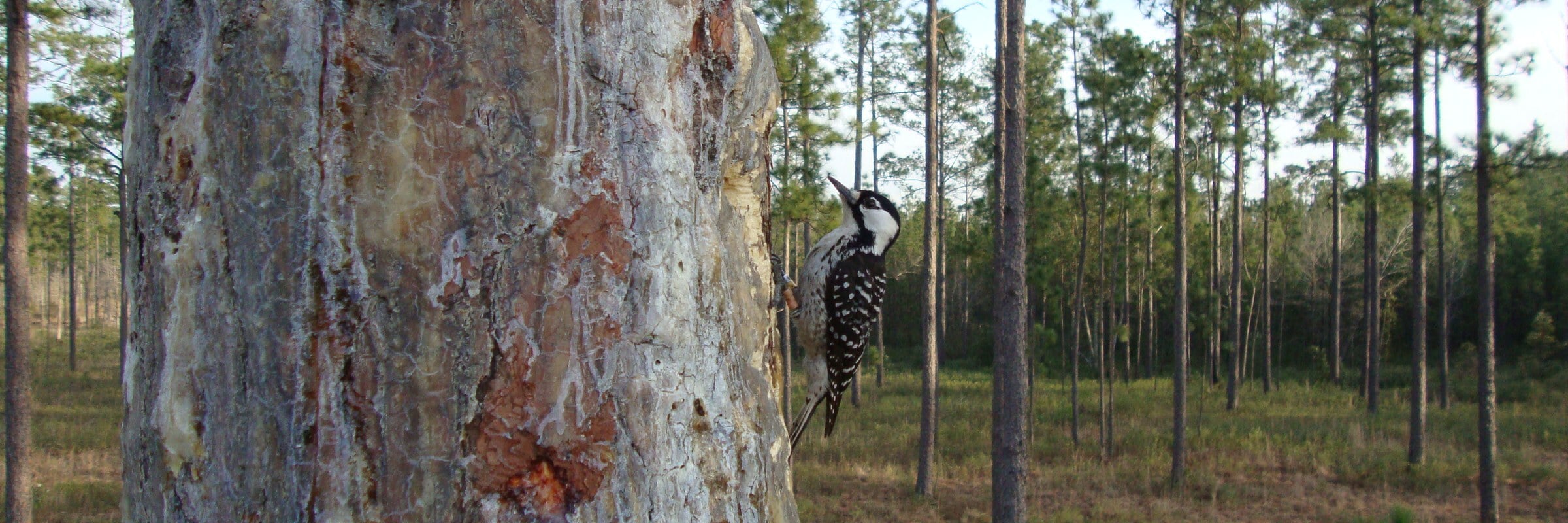
The Red-cockaded Woodpecker is an example of a specialist species that depends on specialized nesting sites. Unlike many other woodpeckers that excavate cavities in dead or decaying trees, Red-cockaded Woodpeckers create cavities in mature, living pines, typically longleaf pines. The nesting trees are often infected with heartwood rot, which softens the wood and makes the cavities easier to excavate, but cavities can still take several years to create. The woodpeckers also create resin wells in these live trees to encourage pitch to leak out and create a sticky barrier to potential predators.
Additionally, Red-cockaded Woodpeckers rely on a particular type of habitat. These woodpeckers depend on open pine forests with a grassy understory. This habitat is maintained by frequent, low-intensity fires that prevent dense shrubs and hardwood trees from taking over. When longleaf pine forests are cleared, fragmented, or overgrown because of fire suppression, the woodpeckers lose nesting trees and foraging habitat. Their dependence on specific trees and fire-maintained forests makes them especially vulnerable to environmental change.
This example demonstrates how a species can be highly adapted to one environment while becoming vulnerable when that environment changes, illustrating a key difference between specialists and generalists.
Generalist species are more flexible in how they use their environment. They may eat a variety of foods, occupy many habitats, and adapt their behavior when conditions change. Specialist species are ones that depend on a narrower set of resources. This can make them successful in their preferred habitat, but it can also leave them exposed when that habitat is altered or destroyed.
Why do specialist species matter?
Specialist species are important because they are closely connected to the processes and relationships that make up an ecosystem. Their decline can reveal problems for the ecosystem where they live and that may eventually affect other organisms.
Because specialists depend on particular conditions, their presence can indicate ecosystem health. A declining specialist population may signal changes in water quality, vegetation, temperature, soil conditions, or food-web structure.
Specialists can also perform irreplaceable ecological roles. Oftentimes, specialists evolve unique traits for narrow niches that generalists are not able to replicate. These traits result in vital ecological functions and inter-species dependencies. The Red-cockaded Woodpecker contributes to its ecosystem by excavating cavities in living pine trees. These can later provide nesting or shelter sites for other wildlife, making the woodpecker an important part of the forest community. Other specialist species perform similarly important roles. For example, some specialist pollinators are essential to the reproduction of particular plants, while others disperse seeds or control prey populations.
How does conservation help these species?
Conservation can help specialist species by protecting the habitats and ecological conditions they need to survive. One important tool is a conservation easement, a voluntary legal agreement that limits certain types of development while allowing land to remain privately owned.
Conservation can also help specialist species by conserving the areas between their habitats. With increasing habitat fragmentation due to land use change and development, protecting land with natural habitats directly combats the isolation of populations and creates conservation corridors. These conserved corridors allow populations to mix and facilitate gene flow by encouraging natural dispersal. Similarly, conserving the areas specialized species use for migration is helpful. Specialists struggle to adapt to altered landscapes or switch to alternative resources, so they view fragmented land as a series of isolated islands.
Conservation helps specialist species by protecting their habitats, the areas between their habitats, and the ecological conditions necessary for their survival. Unlike generalist species, specialist species are unable to adapt to other habitats which makes conservation critical for their survival.
What is the role of conservation easements in protection?
By preventing habitat loss, reducing fragmentation, and supporting long-term habitat management, conservation easements provide specialists with a more stable environment. They also allow landowners to contribute to conservation while continuing to use their property in ways compatible with habitat protection.
For species such as the Red-cockaded Woodpecker, conservation easements can protect mature longleaf pine forests from being cleared or fragmented. By keeping these forests intact, easements help preserve the living pine trees used for nesting and the open, grassy understory where the birds forage.
Conservation easements can also support prescribed fire, which maintains the open structure of longleaf pine forests by limiting dense shrubs and hardwood trees. Protecting land from development alone may not be enough. Conservation is most effective when it safeguards both the species and the ecological conditions that support it.
By permanently safeguarding highly specialized habitats, conservation easements play a critical role in the survival of specialist species. They protect the homes of vulnerable wildlife and help maintain the health and resilience of entire ecosystems.
About the Author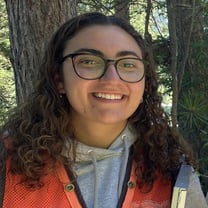
As a senior undergraduate at UNC-Chapel Hill studying environmental science and GIS, Maria brings an interdisciplinary perspective to conservation and land stewardship. Through field monitoring and baseline documentation, she supports efforts that protect conservation easement properties and promote long-term environmental protection.