
Conservation easements are permanent, legally binding agreements that shape how land can be utilized far into the future. Because of that permanence, the organization you choose to work with matters as much as the land itself.
The best partners bring not only good intentions, but deep experience, technical competence, and an ability to work productively with landowners over the long term. Unique Places to Save (UP2S) stands out in this regard, not because of flashy claims or branding, but because of the consistency and quality of its work.
Real Experience Applied to Real Projects
Experience in conservation is not abstract. It shows up in how projects are scoped, how challenges are anticipated, and how efficiently work moves from concept to completion.
UP2S has been involved in conservation and restoration work for many years across a wide range of landscapes and project types. That history includes conservation easements, ecological restoration, stream and wetland projects, and complex land protection efforts involving multiple stakeholders.
This depth of experience matters because conservation easements are rarely simple. Each property comes with its own ecological conditions, ownership goals, regulatory context, and long-term management considerations.
An organization that has seen many variations of these challenges is better positioned to recognize potential issues early and design easements that are both durable and practical.
Conservation Grounded in Science
Effective conservation depends on understanding how land actually functions. UP2S places a strong emphasis on scientific knowledge and analysis as the foundation of its work. This means evaluating ecological values carefully, identifying what truly needs protection, and designing conservation strategies that are defensible and meaningful over time.
Science-driven conservation helps avoid vague or overly broad easement language that can create confusion later. Instead, it supports clear definitions, measurable conservation purposes, and stewardship approaches grounded in ecological reality. This focus also helps ensure that protected lands continue to function as intended, rather than simply being restricted on paper.
Seeing the Land Through the Landowner’s Eyes
One of the most important, and often underestimated, aspects of conservation easement work is understanding the landowner’s perspective. Landowners are not interchangeable, and neither are their goals. Some want to preserve working landscapes, some want to plan for family succession, and others are focused on protecting specific natural features.
UP2S has built a reputation for approaching projects with an understanding that conservation must work for the landowner as well as the land. This means listening carefully, explaining options clearly, and helping landowners understand both the benefits and responsibilities that come with an easement.
Our perspective leads to agreements that are more likely to be respected, maintained, and supported over the long term.
High-Quality, Efficient Work Flows
Conservation projects involve technical documentation, coordination with legal and tax professionals, field assessments, and ongoing stewardship planning. Poorly executed work can lead to delays, added costs, or long-term complications. UP2S is known for producing clear, thorough, and efficient work products that hold up to scrutiny.
Efficiency here does not mean cutting corners. It means knowing what information is necessary, how to gather it, and how to present it in a way that meets legal, scientific, and practical standards without unnecessary complexity. For landowners, this translates into smoother projects and fewer surprises.
A Practical, Outcome-Oriented Approach
Rather than focusing on recognition or rhetoric, UP2S tends to focus on outcomes. Projects are evaluated by whether they protect meaningful conservation values, function as intended, and can be stewarded responsibly over time. This pragmatic approach is especially important in conservation easement work, where clarity and durability matter far more than visibility.
The organization’s track record reflects an emphasis on doing the work well and letting results speak for themselves. This is not about claiming to be the only good option, but about demonstrating competence consistently.
Landowners Have a Choice
There are many reputable land trusts and conservation organizations, each with their own strengths. Some have deep local roots, others specialize in particular ecosystems or regions, and some operate at a national scale. Landowners should absolutely take the time to look around, ask questions, and compare approaches.
Key questions to consider include how long an organization has been doing this work, how it integrates science into its decisions, how it works with landowners, and what its long-term stewardship capacity looks like. UP2S invites this kind of comparison, confident that its experience, methods, and work quality stand up well when evaluated on their merits.
Letting the Work Speak for Itself
In conservation, credibility is built over time through consistent performance. UP2S does not rely on virtue signaling or grand claims about saving the world. Instead, it focuses on careful analysis, thoughtful collaboration, and high-quality execution. That approach resonates with landowners who value substance over salesmanship.
For those considering a conservation easement, working with an organization that combines experience, scientific rigor, respect for landowners, and efficient execution can make a lasting difference. Unique Places to Save offers that combination, and its body of work provides a solid basis for consideration.
About the Author
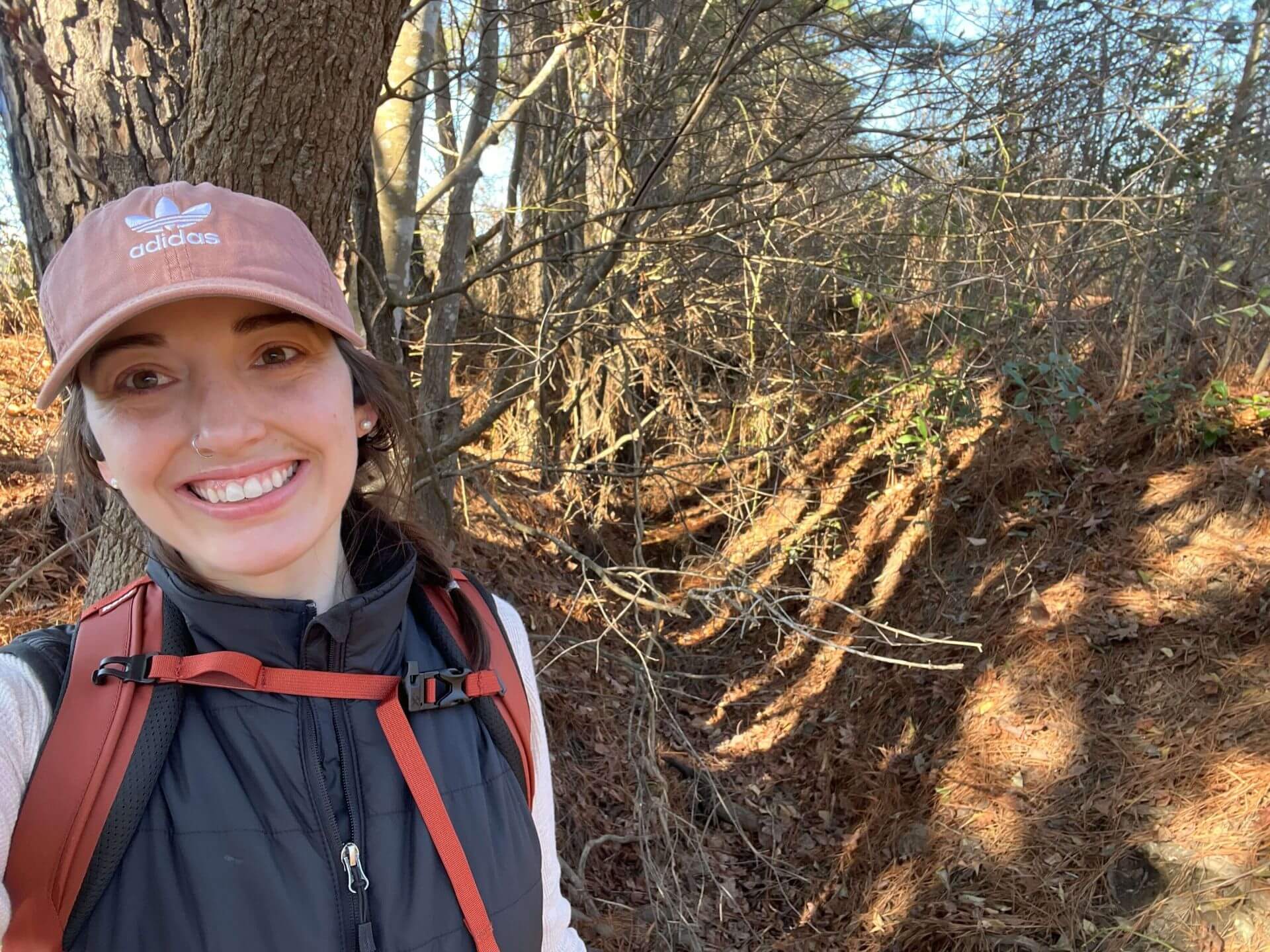
Michael brings over 20 years of experience to his role as Trusted Conservation Advisor at Unique Places to Save. He has worked to conserve over 250,000 acres of land across the U.S. while securing over $200M in funding and transacting well over $500M in land and other real estate.
Learn More