
In a world obsessed with “more,” more roads, stores, pavement, and parking lots, it is easy to overlook the value of not wanting more. In today’s world, it is almost as if we are expected to look at an open field or a dense forest and ask, “what could this become?”
We see potential in “improving” the land until each square inch serves a modern purpose. But at Unique Places to Save, we like to ask a different question: What happens to the stories land holds, the health of our families, and the future of our communities, wildlife and humans alike, when we choose to leave the land alone?
The Power of the "Untouched"
As we’ve explored in previous blog posts, “doing nothing” to a piece of land is actually one of the most proactive things we can do for our future. While some might look at undeveloped woods or agricultural fields as simply waiting to generate commercial income, keeping these places intact can quietly serve our communities in ways concrete can’t.
How does conservation protect heritage and community character?
Once a family farm is paved over or a forest is cleared, the history of that land is quickly muddled or lost altogether. Land holds the stories of those who walked it before us, the generational struggle of farmers, legacies of perseverance, and cultural heritage of our communities. While conserving acreage is important, it doesn’t account for the full story. Our conservation areas hold a shared identity across families, generations, and occupations that we get to help preserve.
Standard commercial development can happen anywhere, but the character of a community stems from its working lands and can be defined by its open spaces. Every conserved acre protects a piece of that local personality so it doesn’t disappear under a layer of asphalt. As we work to honor the heritage of land ownership, we help ensure that the distinct identity of the surrounding neighborhoods remain intact.
How does conservation build local environmental resilience?
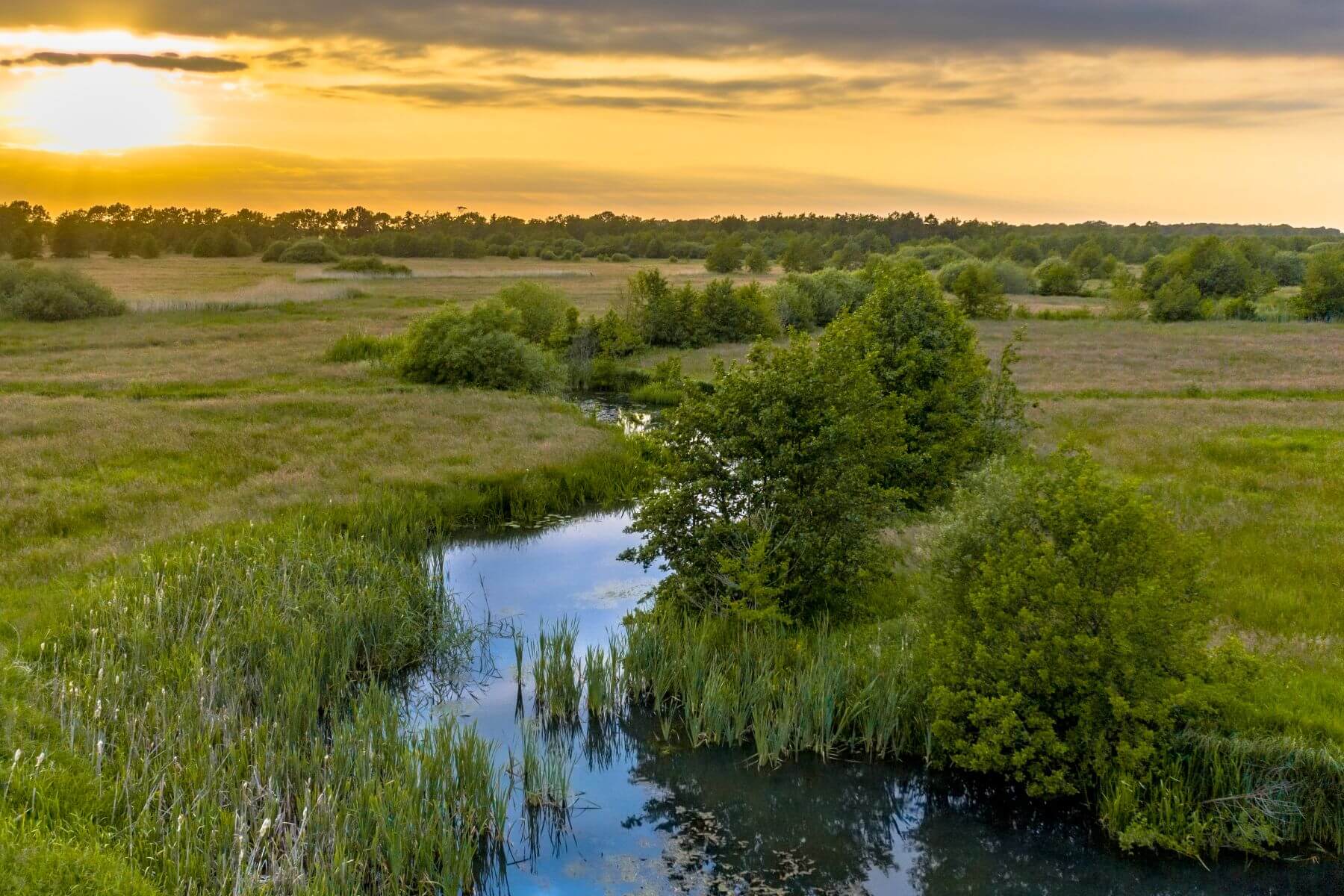
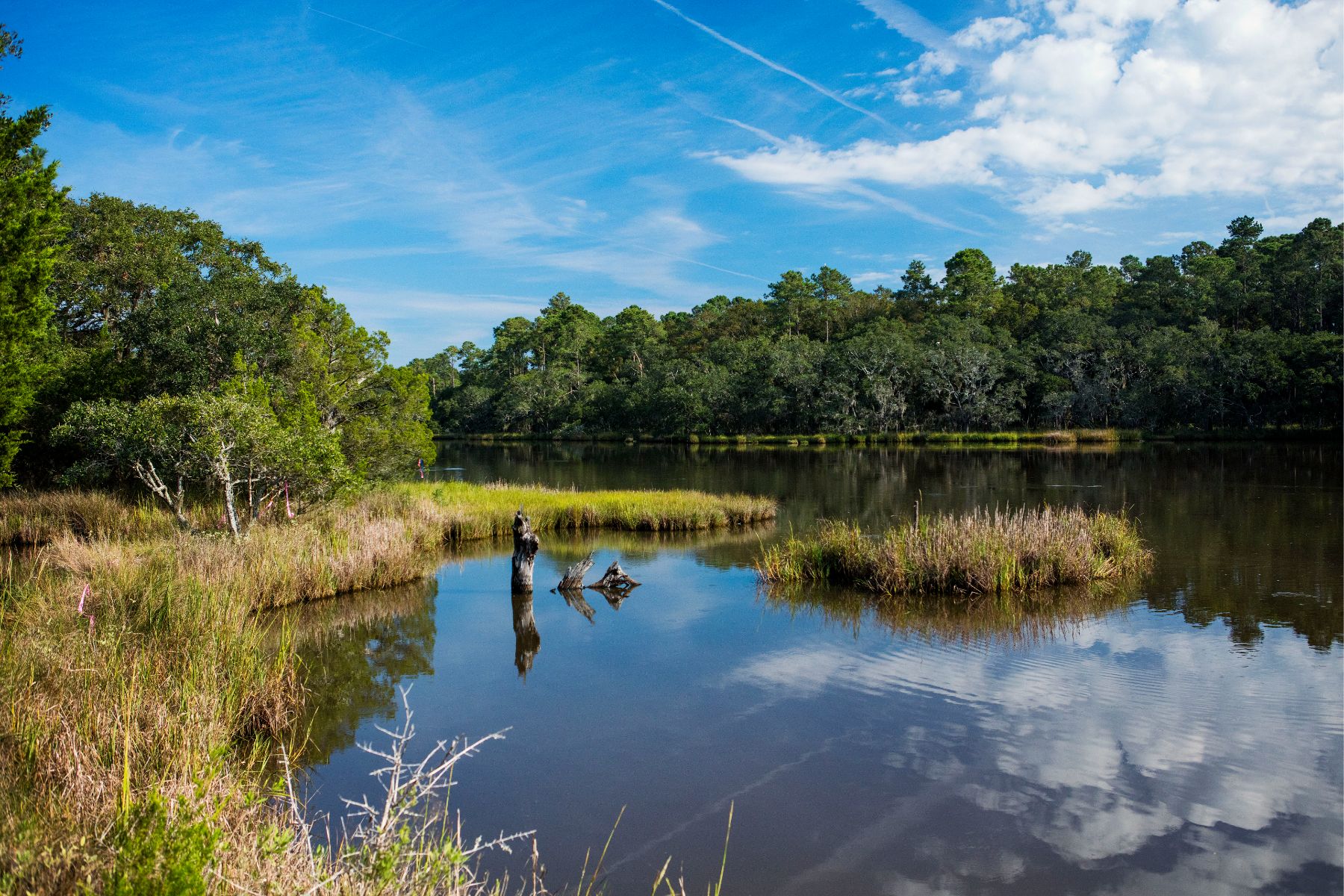
A community made up of concrete can be surprisingly fragile. Instead of uniform development, maintaining a varied, heterogeneous landscape, like a mosaic of biodiverse forests, unassuming marshes, and vast grasslands, helps create real region-wide resilience. These diverse ecological features function as natural sponges, absorbing millions of gallons of water during severe rain events and slowing down storm surges before they reach our homes.
When we pave over these spaces with impervious surfaces, we lose those built-in protections and force our public infrastructure to work twice as hard. By keeping a balanced mix of open, undeveloped spaces throughout our towns, we allow the land to shield our businesses and roads naturally. It’s a practical, long-term approach that uses the land's natural diversity to keep our entire region safer and stronger.
A Legacy of “Nothing”
It is a great privilege to sit with our landowners and hear the stories of their land. Often, their greatest desire is to know that their great-grandchildren will be able to enjoy the same woods they did, not to see a new shopping center in its place.
The next time you see a vacant stretch of woods, a quiet marsh, sweeping grasslands, I encourage you to look deeper than the lack of buildings. Think of the clean water it’s filtering, the memories it’s holding, and the resilience it’s providing.
Sometimes, leaving the land alone is the most meaningful thing we can leave behind.
Providing effective stewardship is a top priority for Unique Places to Save, and you can help us make a difference. Your support allows Unique Places to Save to continue the quiet ongoing work of stewardship, ensuring that these unique places stay saved forever.
About the Author
With dual Master’s degrees in Public Health and Business Administration, Mandi has successfully secured federal grants and managed significant projects that enhance environmental and community well-being. She leverages her diverse background to contribute to sustainable conservation efforts that protect vital ecosystems.
Learn More